From Commitment to Transformation of the Women, Peace and Security (WPS) Agenda in Central Africa
Reflections on the Central Africa Regional Consultation on the WPS Agenda
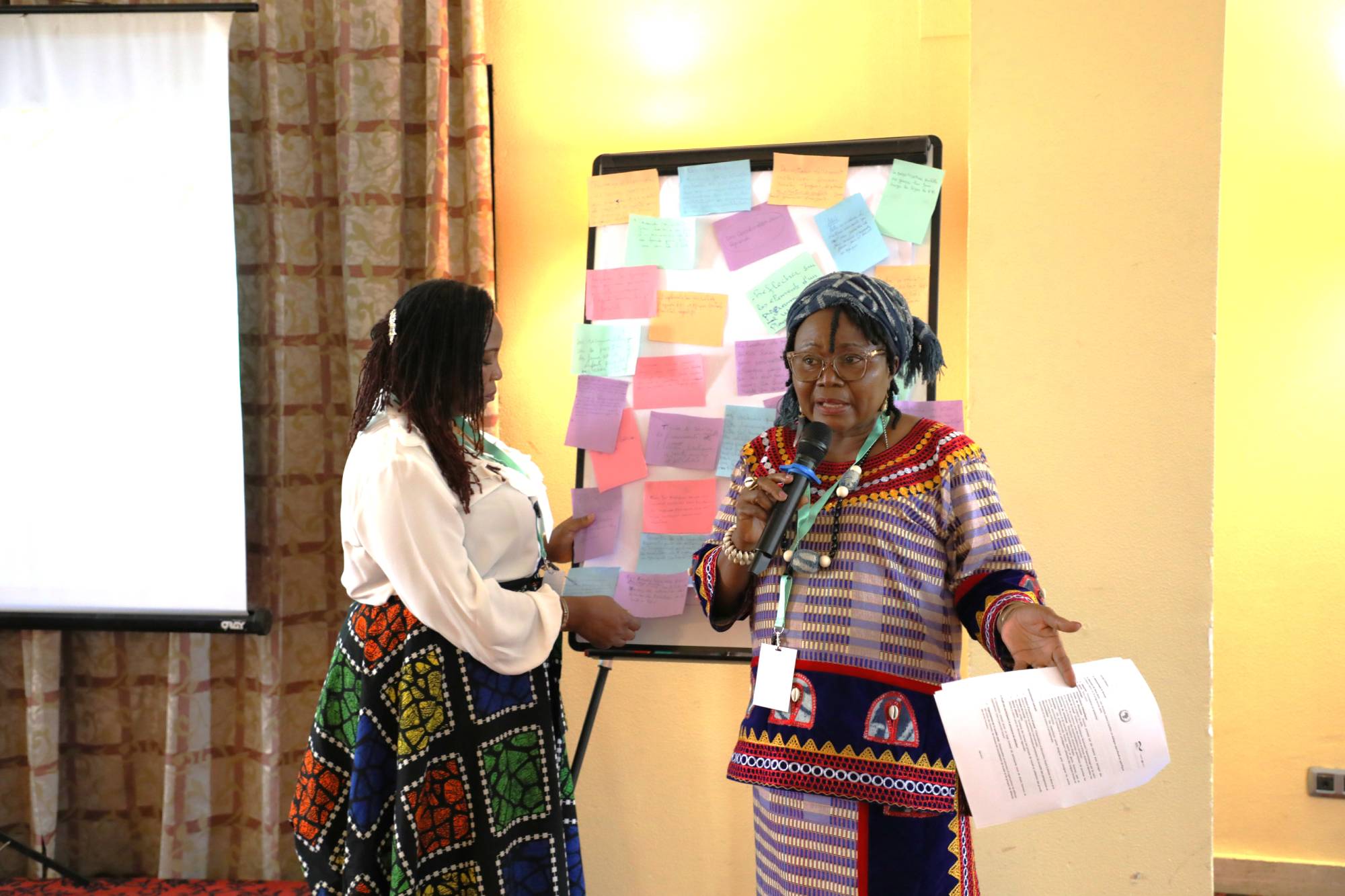
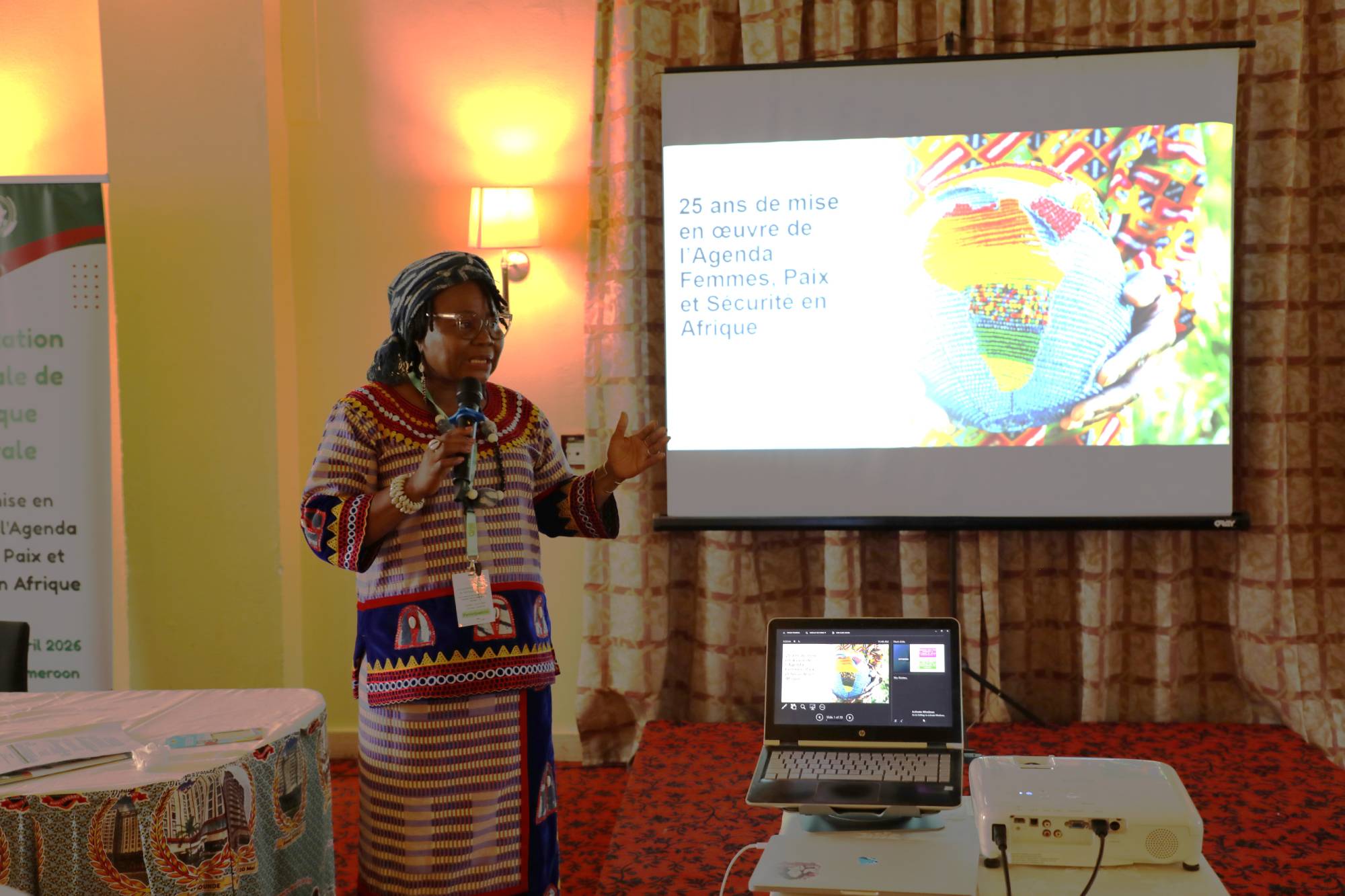
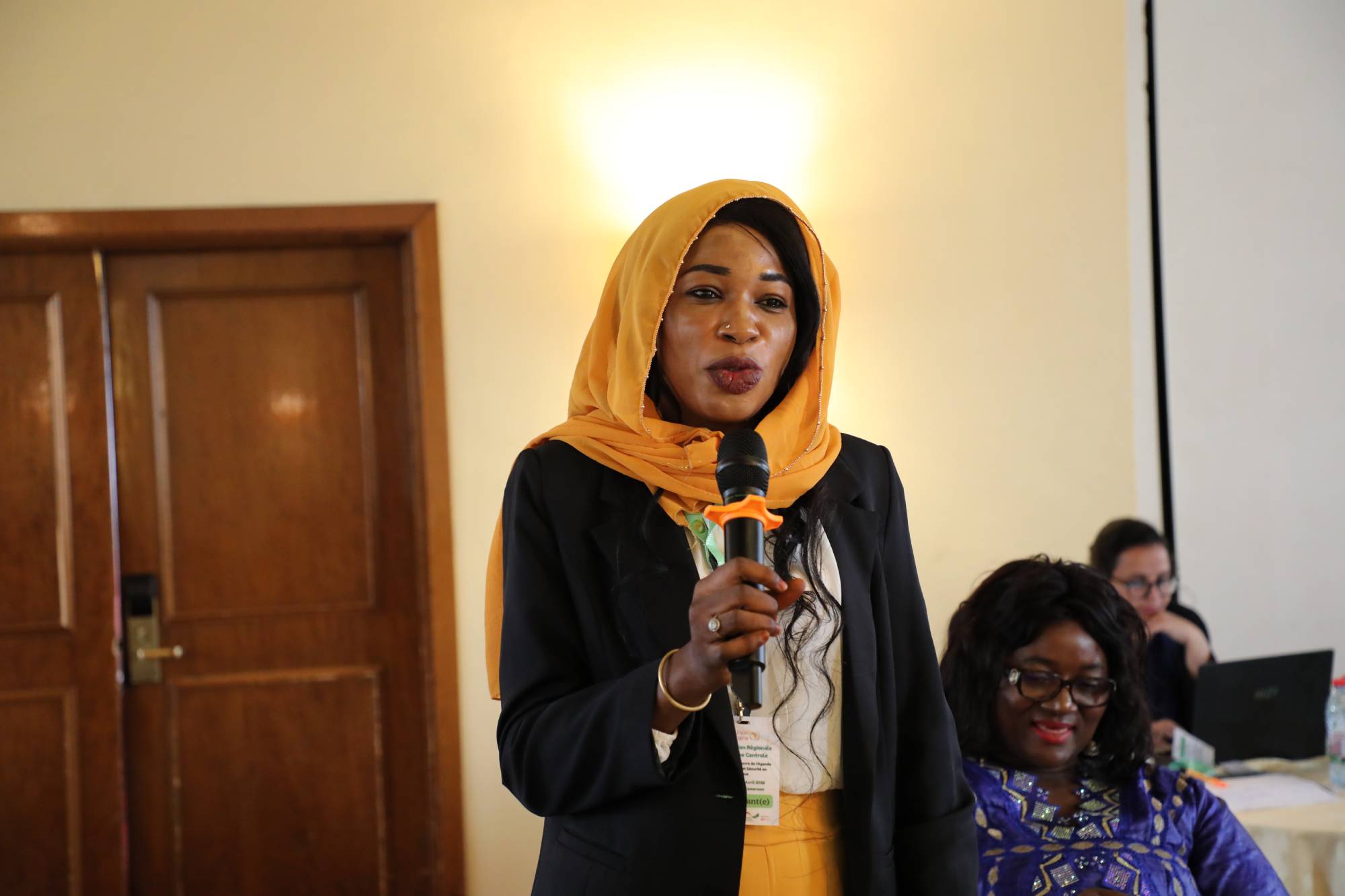
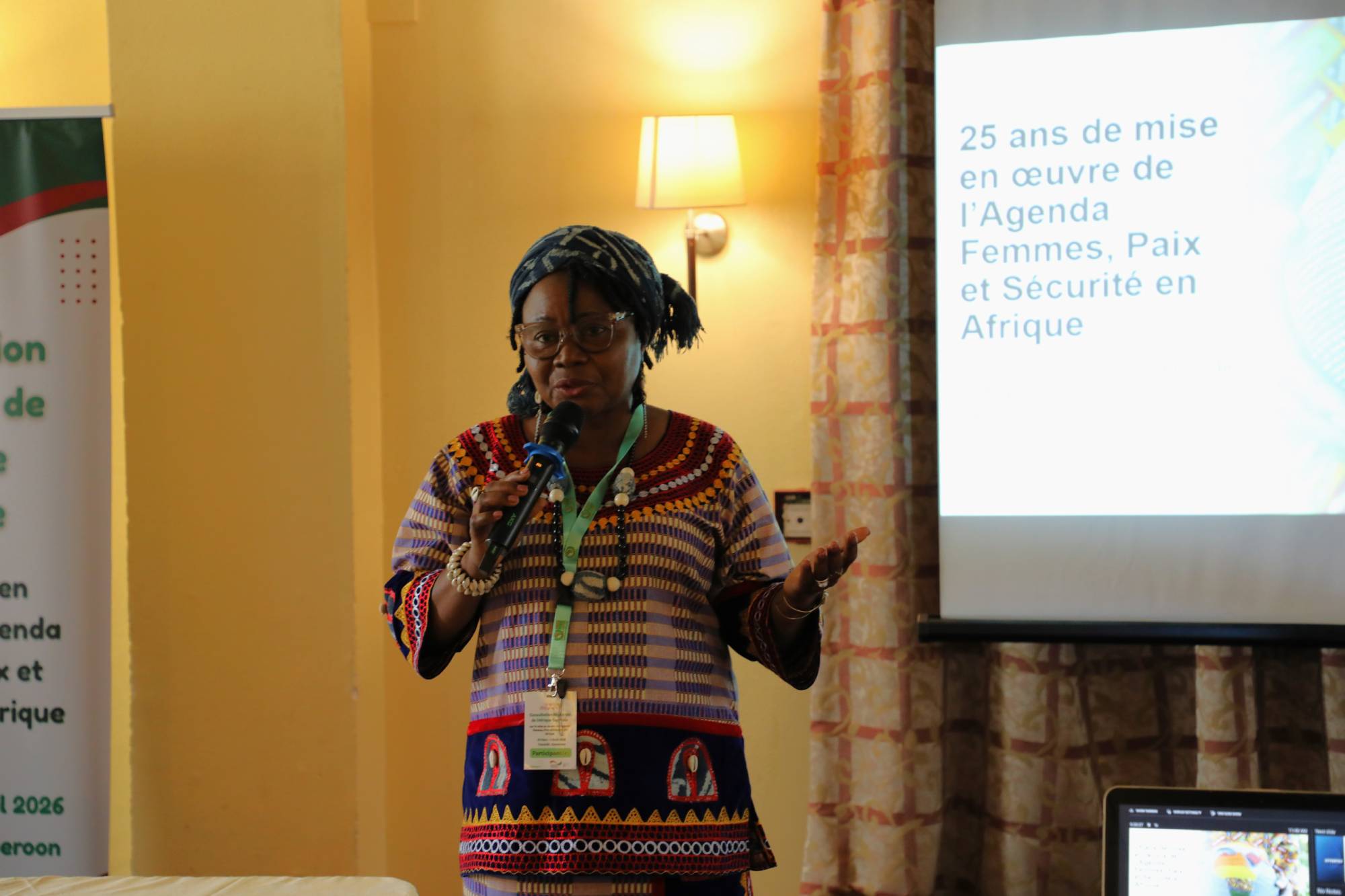
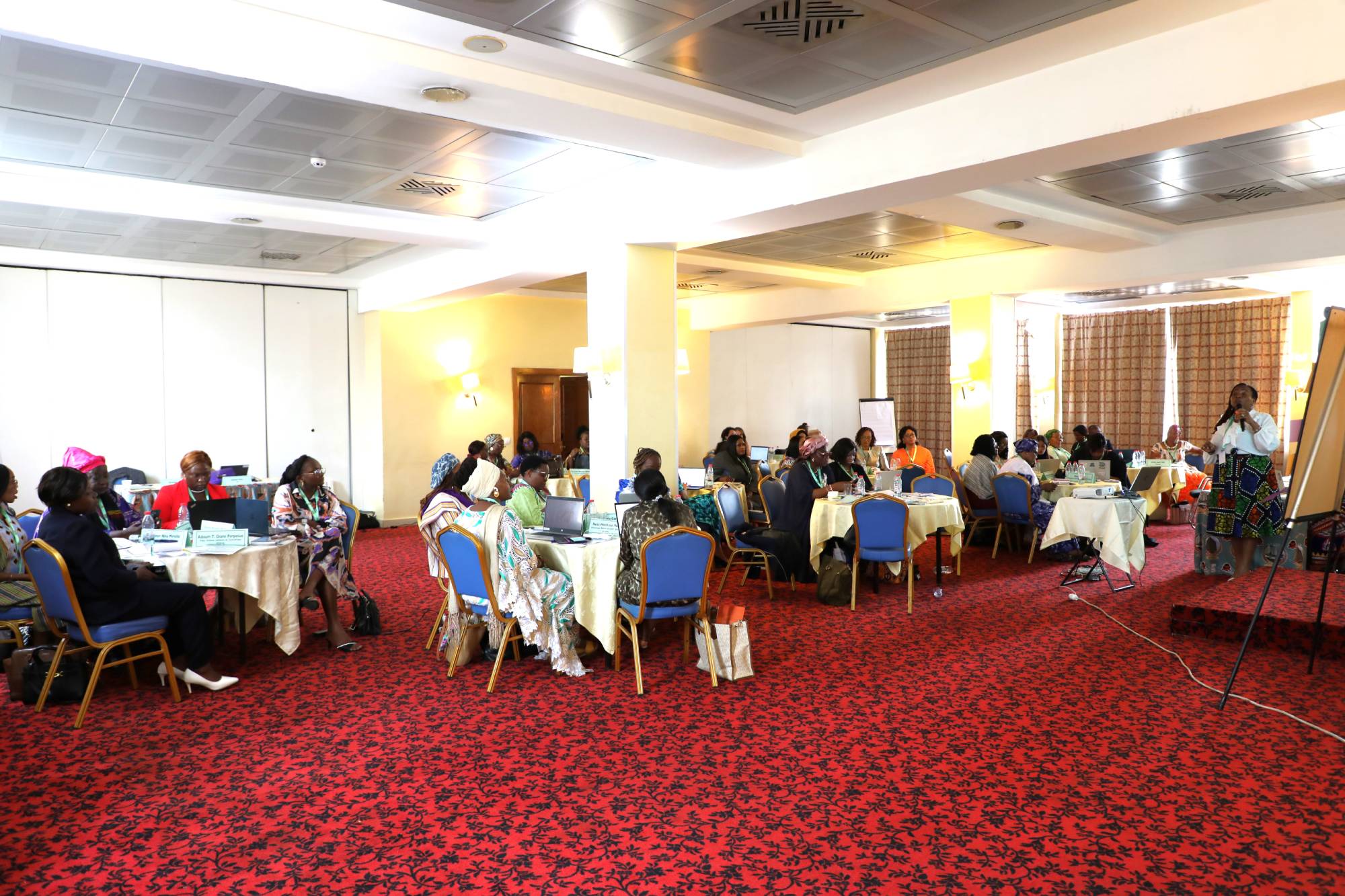
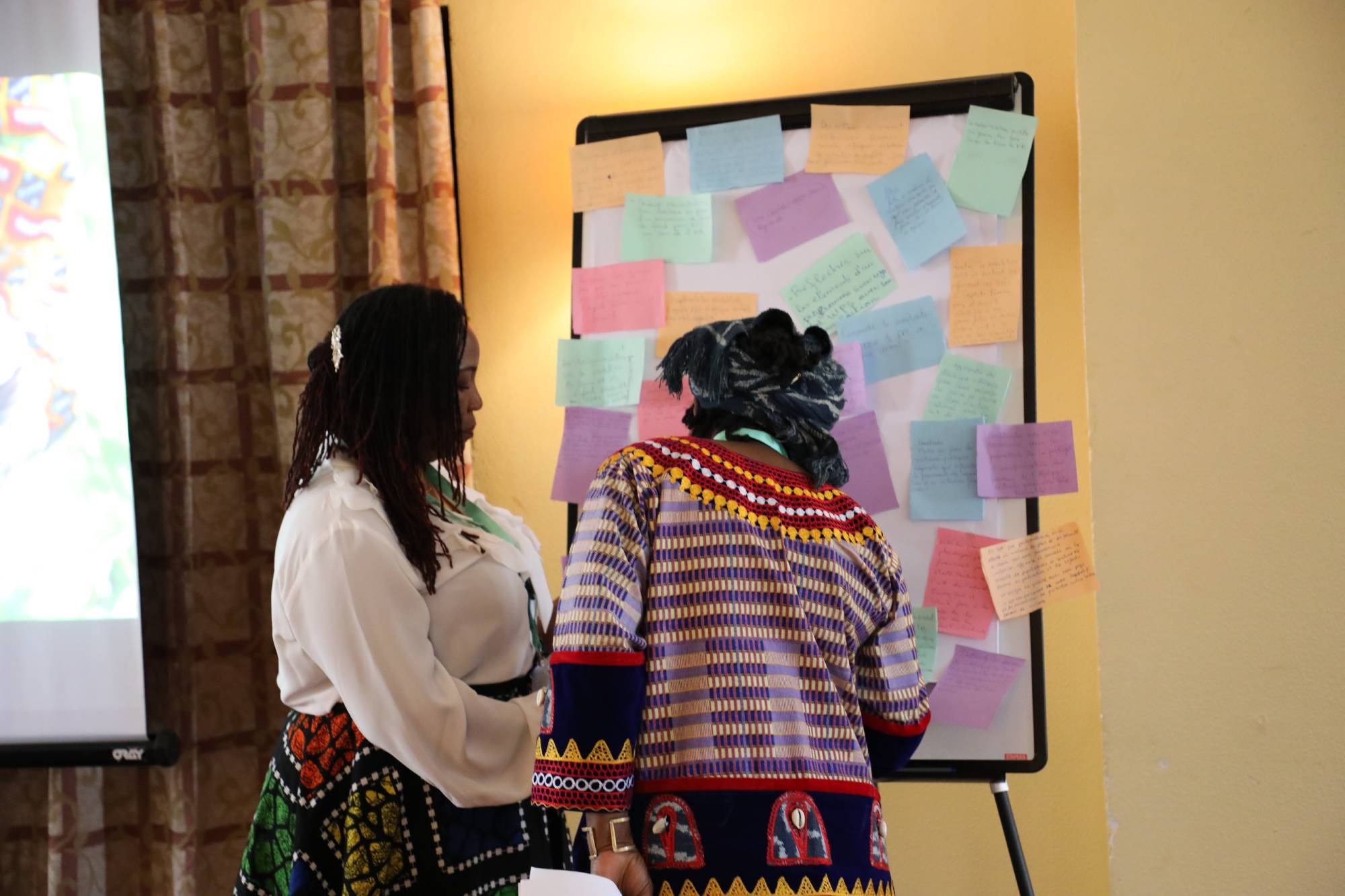
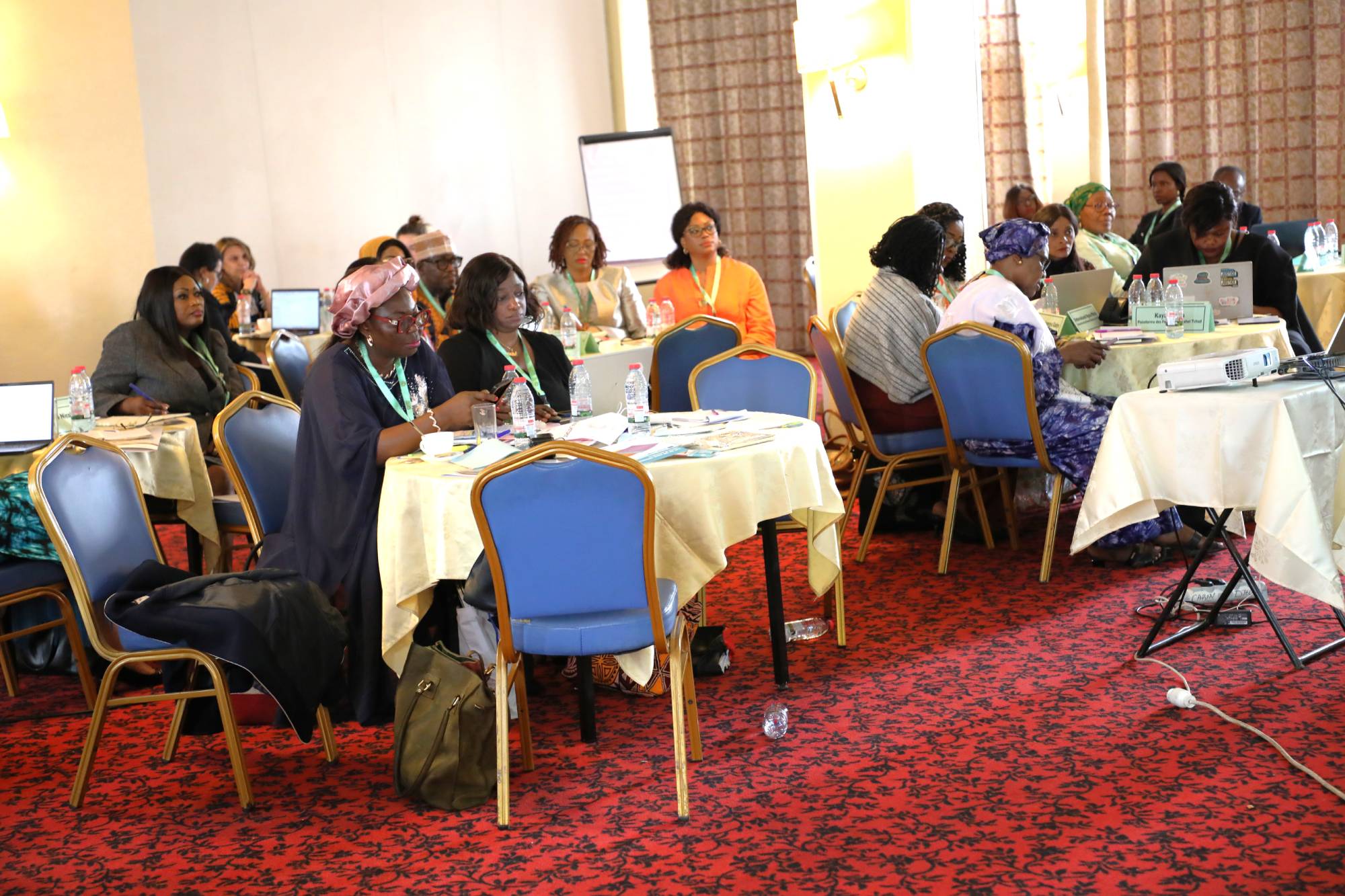
I had the honor of co-facilitating the Central Africa Regional Consultation on the implementation of the Women, Peace and Security (WPS) agenda of the United Nations Security Council.
Following this important consultation, held in Yaoundé and organized by the African Union and GIZ on March 31 and April 1, 2026, I would like to share a few initial reflections.
Significant Progress in Advancing the WPS Agenda
Notable progress has been made in advancing the WPS agenda across the African continent. One of the most significant achievements is the development of National Action Plans (NAPs), alongside a growing recognition of the critical role of women as active agents of peace.
National Action Plans: A Marker of Political Commitment
Within the Economic Community of Central African States (ECCAS), 9 out of 11 countries now have NAPs in place, with some already implementing third-generation plans. This reflects a genuine political commitment and a gradual institutionalization of the WPS agenda at the national level.
A Collective Effort Driven by Multi-Stakeholder Engagement
This progress is the result of a collective effort involving governments, United Nations agencies, technical and financial partners, international organizations, and civil society. It is important to highlight that, in most cases, the initial momentum leading to the adoption of NAPs originated from civil society, an essential contribution that deserves continued recognition and support.
Cameroon: A National Illustration of Institutional Leadership
In Cameroon, for instance, the Ministry of Women’s Empowerment and the Family played a central role in the development of the first NAP, with key support from partners including the United Nations Regional Office for Central Africa and UN Women Cameroon.
The Implementation Gap: A Persistent Challenge
However, beyond these achievements, the central challenge remains implementation. Funding remains insufficient, unpredictable, and rarely prioritized within national budgets. In addition, ownership of NAPs at the community level is still limited, which weakens their local anchoring and overall impact.
WPS in a Context of Ongoing Crises and Instability
Thus, while the existence of NAPs reflects political will, their operationalization continues to fall short in a context marked by persistent conflicts, political instability, multiple crises, and rising levels of gender-based violence.
Regional Frameworks as Pillars of Coordination and Action
In this regard, the structuring role of regional frameworks is critical, particularly through the Regional Action Plans (RAPs) of ECCAS and the International Conference on the Great Lakes Region (ICGLR). The ECCAS RAP contributes to regional harmonization, the establishment of a common policy framework, and strong strategic direction. The ICGLR RAP, on the other hand, plays a more operational role, focusing on monitoring state commitments, fostering cross-border coordination, and promoting women’s effective participation in peace processes.
Complementarity for Greater Regional Impact
The complementarity between these two mechanisms is essential: one shapes the regional political vision, while the other strengthens coordination, monitoring, and accountability.
From Commitment to Transformation: The Real Test of WPS
Today, one conclusion stands out clearly: National Action Plans are no longer about adoption, they are about transformation. The priority is no longer to develop frameworks, but to ensure their effective implementation. The task ahead is to move decisively from political commitments to concrete, measurable, adequately financed, and accountable results.
Measuring Success Through Tangible Change ...
Ultimately, the credibility of the Women, Peace and Security agenda will no longer be measured by the number of plans adopted, but by their ability to deliver tangible change in the lives of women and communities affected by conflict and fragility.
Articles similaires